
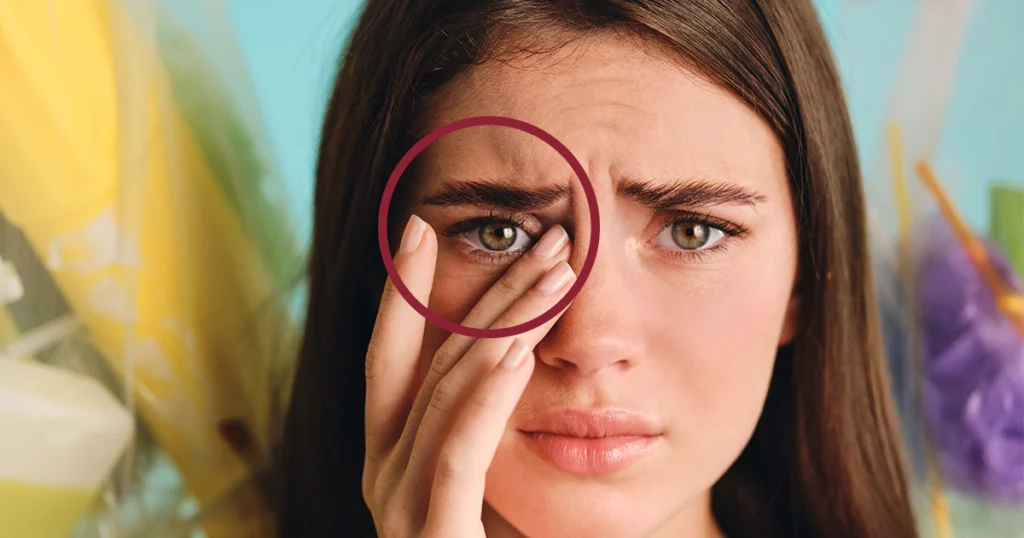
Itchy eyes can be more than a minor annoyance; they can disrupt daily tasks like reading, working, or driving. Why Are My Eyes So Itchy is a common question among people who experience persistent redness, irritation, or an uncontrollable urge to rub their eyes. Understanding the root cause is the first step toward effective relief.
Symptoms may appear seasonally, after exposure to allergens, or sporadically. Early evaluation is important to prevent complications. In urgent cases, our emergency room can quickly assess severe eye problems and provide the proper treatment.
What Are Itchy Eyes?
Itchy eyes, medically called ocular pruritus, are the persistent urge to rub or scratch the eyes due to irritation or inflammation. They are often accompanied by redness, watering, burning, or a gritty sensation. Multiple conditions, including allergies, infections, dry eye, and environmental irritants, can cause itchy eyes.
A clinical study of 400 patients found that 29.5% experienced persistent itchy eyes, frequently associated with allergic conjunctivitis (51.8%), dry eye syndrome (40.1%), or blepharitis (43.8%). This shows how common ocular itch is and its link to various eye conditions.
Itchy Eyes Symptoms
- Persistent urge to rub or scratch the eyes.
- Redness or bloodshot appearance.
- Excessive tearing or clear discharge.
- Burning, stinging, or gritty sensation.
- Sensitivity to light.
- Puffy or swollen eyelids.
What Causes Itchy Eyes?
Itchy eyes occur when the eye’s delicate surface becomes irritated, inflamed, or dry. Causes range from environmental factors to underlying medical conditions. Identifying the source is crucial for proper treatment, symptom relief, and preventing long-term complications.
1. Allergic Conjunctivitis (Eye Allergies)
Allergic conjunctivitis is one of the most common causes of itchy eyes. Allergens such as pollen, dust, mold, or pet dander trigger the immune system to release histamines in the eye tissues. This causes inflammation, redness, and a strong urge to rub the eyes. Additional symptoms include watery eyes, puffiness, and sensitivity to light, which can interfere with daily activities.
2. Seasonal Allergies (Hay Fever)
Seasonal allergies often cause woke up with red eyes and persistent itching, particularly during spring and summer when pollen levels are high. The immune system reacts to pollen, inflaming the eyes and nasal passages. Symptoms often include watery eyes, sneezing, and nasal congestion. Proper management is essential to prevent disruption of sleep, work, and outdoor activities.
3. Dry Eye Syndrome
Dry eye syndrome occurs when tear production is insufficient or tears evaporate too quickly. This leaves the eye surface dry, irritated, and itchy. People who spend long hours in front of screens or in air-conditioned environments are more prone. Without treatment, dry eyes can worsen over time, causing blurred vision, burning, and sensitivity to light.
4. Contact Lens Irritation
Contact lenses can irritate the eyes if worn too long or cleaned improperly. Allergic reactions to lens solutions can inflame the cornea or eyelids, causing chronic itching. Some people develop giant papillary conjunctivitis from prolonged lens use. Maintaining proper hygiene and regular eye check-ups can prevent these complications.
5. Eye Infections (Conjunctivitis / Pink Eye)
Bacterial or viral infections such as conjunctivitis can lead to itchy, red, and watery eyes. These infections often cause discharge, crusting around the eyelashes, and light sensitivity. Viral infections are contagious, while bacterial infections may require antibiotics. Early medical attention ensures faster relief and reduces the risk of spreading the infection.
6. Blepharitis
Blepharitis is inflammation of the eyelid margins, often caused by clogged oil glands or bacterial buildup. It can result in persistent itching, burning, and irritation along the eyelashes. Flakes or crusts on the eyelid margins are common, and symptoms may worsen without proper care. Regular eyelid hygiene and targeted treatment can manage the condition effectively.
7. Irritants and Pollution
Environmental irritants like smoke, chemical fumes, strong fragrances, and air pollution can trigger eye itching. These substances inflame the eye surface, causing redness, burning, and watering. People with sensitive eyes or allergies are particularly affected. Avoiding irritants and using protective eyewear can significantly reduce flare-ups.
8. Digital Eye Strain
Prolonged screen use reduces blinking and tear distribution, causing dry, itchy eyes. This condition, known as digital eye strain, also causes eye fatigue and redness. Individuals who use computers or smartphones extensively are at higher risk. Regular breaks, proper lighting, and blinking exercises can help alleviate symptoms.
When Itchy Eyes Are An Emergency?
Most itchy eyes are mild, but severe symptoms can indicate a serious eye condition requiring immediate care. Seek urgent medical attention if itching is accompanied by pain, vision changes, or alarming symptoms. Warning signs include:
- Sudden loss of vision or blurred eyesight.
- Severe eye pain.
- Thick yellow or green discharge.
- Intense redness or swelling.
- Extreme sensitivity to light.
If any of these symptoms appear, contact St. Michael’s Elite Hospital immediately for professional evaluation and treatment.
Treatment for Itchy Eyes
Managing itchy eyes involves treating the underlying cause and relieving symptoms. Relief can include medications, supportive care, and lifestyle adjustments. Early treatment reduces discomfort and prevents complications.
- Allergy Eye Drops (Antihistamines / Mast Cell Stabilizers): Drops such as ketotifen or olopatadine block histamine release, reducing itching caused by allergens.
- Oral Antihistamines (e.g., Zyrtec Itchy Eyes Relief): Non-sedating antihistamines like Zyrtec help control systemic allergic reactions affecting the eyes.
- Artificial Tears: Lubricating drops relieve dryness and flush out irritants from the eyes.
- Prescription Steroid Drops (Short-Term): Steroid eye drops reduce severe inflammation under medical supervision.
- Antibiotic or Antiviral Drops: Target infections when bacterial or viral causes are confirmed.
- Cold Compresses: Applying a clean, cold cloth over the eyes calms inflammation and soothes itching.
- Avoidance Of Irritants: Minimizing exposure to pollen, dust, smoke, and chemicals prevents recurrent eye irritation.
How To Calm Itchy Eyes
- Cold Compress Application: Place a cold, clean cloth over closed eyes for 10–15 minutes to reduce irritation.
- Blink Exercises During Screen Use: Take regular breaks and consciously blink to refresh tears and reduce dryness.
- Stay Hydrated: Proper hydration supports tear production and eye moisture.
- Use A Humidifier Indoors: Increasing indoor humidity prevents dryness in air-conditioned or heated rooms.
- Wear Wrap-Around Sunglasses Outdoors: Protects eyes from wind, dust, and pollen, reducing irritation.
St. Michael’s Elite Hospital – Expert Care for Eye Health
If you’re asking yourself, “Why are my eyes so itchy?” you’re not alone. Persistent eye irritation can be frustrating and uncomfortable. At St. Michael’s Elite Hospital, our eye specialists provide thorough evaluations to identify the cause, whether it’s allergies, dry eye, or an infection, and recommend treatments tailored to your needs.
We make it easy to manage symptoms and prevent them from coming back. With personalized care, advanced diagnostics, and practical guidance, St. Michael’s Elite Hospital helps you protect your eyes, reduce discomfort, and enjoy clear, healthy vision every day.