
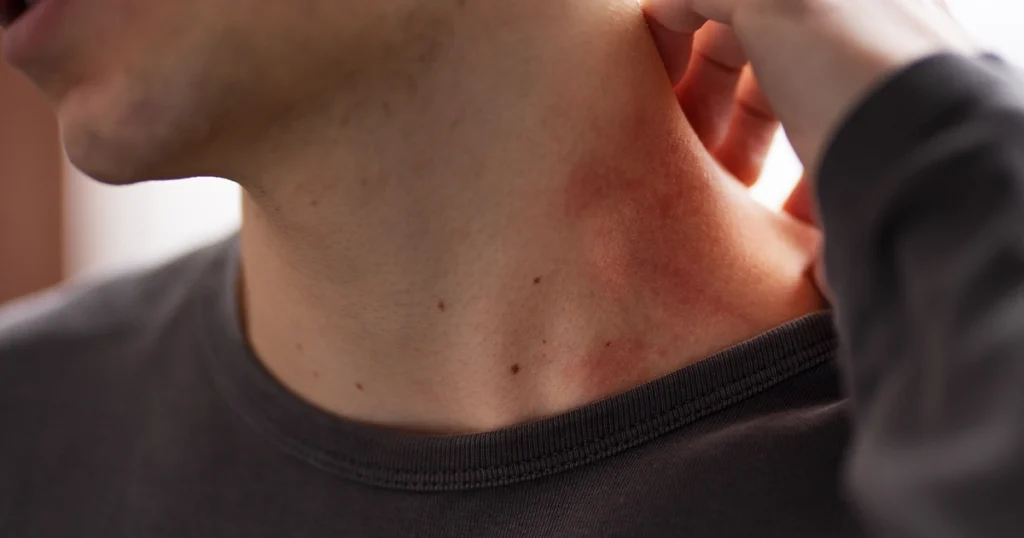
Heat rash can last from a few hours to several days, depending on its severity and how quickly the skin is cooled and cared for. Mild cases often resolve quickly, while more severe irritation may take longer to heal.
This condition can affect people of all ages, especially in hot and humid environments. Our emergency room often sees cases where heat rash worsens due to excessive sweating or improper skin care, but timely attention can prevent complications and speed recovery.
What Is Heat Rash?
Heat rash, also called miliaria, occurs when sweat ducts become blocked, trapping sweat beneath the skin. This results in small, itchy bumps, redness, and sometimes blisters. According to a StatPearls review on miliaria, the most common form of heat rash (miliaria rubra) can affect up to 30% of adults in hot, humid conditions, and other forms like crystallina are reported in about 4.5–9% of newborns exposed to heat and humidity.
Heat Rash Symptoms
- Small red bumps on the skin.
- Itching or prickling sensation.
- Heat rash blisters.
- Sweat rash in affected areas.
- Perspiration skin rash.
Also Read: Is My Rash A Concern?
How Long Can Heat Rash Last?
Heat rash typically lasts from a few hours to several days. Mild cases often improve within 1–3 days if the skin is kept cool, dry, and free from further sweating. More severe cases, including heat rash blisters or hives from heat, may last up to a week, especially when large areas like the back, chest, or arms are affected. Proper hydration, cooling measures, and avoiding heat exposure help speed recovery.
Can Heat Rash Spread?
Heat rash is not contagious and does not spread from person to person. However, it can appear in multiple areas of the body simultaneously, such as the back, chest, face, arms, legs, and armpits, if the skin continues to sweat or remains irritated. Keeping the skin cool and dry reduces the likelihood of the rash affecting additional areas.
What Causes Heat Rash?
Heat rash occurs when sweat ducts are blocked, preventing sweat from reaching the skin surface. This blockage irritates the skin, leading to redness, bumps, and discomfort. Environmental factors like heat, humidity, tight clothing, and excessive sweating contribute to its development.
- Excessive Sweating: Trapped sweat under the skin can cause heat bumps, hives from heat, or a sweat rash.
- Hot and Humid Weather: High temperatures increase perspiration, leading to skin irritation and heat rash on the face, back, chest, and legs.
- Tight Clothing: Restrictive clothing traps sweat, causing heat rash on arms, legs, and in armpits.
- Sensitive Skin: Individuals with sensitive skin may be more prone to heat hives or rash.
What Does A Heat Rash Look Like?
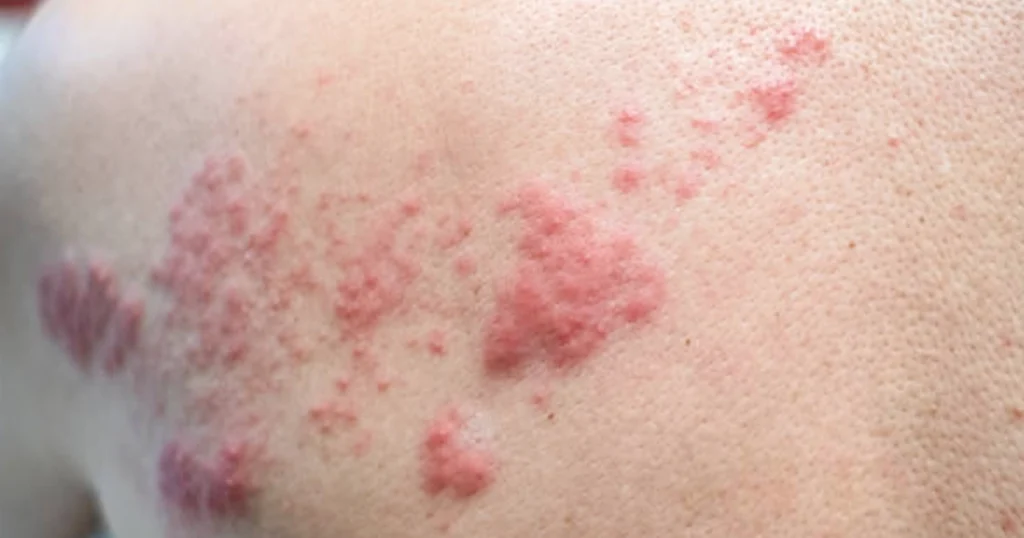
Heat rash appears as small red or pink bumps that may sometimes form blisters. It commonly affects areas prone to sweating, such as the back, chest, face, arms, and armpits. The skin can feel prickly or itchy, and in some cases, clusters of bumps resemble hives from heat.
Does Heat Rash Itch?
Yes, heat rash often causes itching. The blocked sweat ducts irritate the skin, resulting in a prickly or uncomfortable sensation. Scratching may worsen irritation and increase infection risk, so gentle care is advised.
When Heat Rash Is An Emergency?
While most heat rash resolves on its own, seek medical attention if the rash is severe or accompanied by other concerning symptoms.
- Fever or chills.
- Signs of infection, including pus, swelling, or increased redness.
- Heat rash covering large areas.
- Severe pain or discomfort.
If these symptoms appear, contact St. Michael’s Elite Hospital for immediate treatment.
How To Treat Heat Rash?
Treatment focuses on cooling the skin, reducing sweating, and preventing further irritation. Mild cases may improve with home care, but persistent or severe cases might need medical attention.
- Cool Compresses: A cool, damp cloth soothes irritation and reduces redness.
- Loose Clothing: Breathable fabrics help prevent sweating and allow skin to heal.
- Topical Creams: Over-the-counter hydrocortisone or calamine lotion relieves itching and inflammation.
- Oatmeal Baths: Soothing baths calm irritated skin.
- Antihistamines: Oral antihistamines may help manage heat hives or allergic reactions from heat.
- Medical Procedures: In rare, severe cases, specialized treatments may be needed for blistering or persistent rash.
St. Michael’s Elite Hospital – Heat Rash Care
If you’re dealing with persistent or severe skin irritation and asking how long does heat rash last, the specialists at St. Michael’s Elite Hospital are ready to help. Our experienced dermatology team evaluates the rash, identifies contributing factors, and provides personalized care to relieve discomfort and promote faster healing. Early attention can prevent complications and improve recovery.
St. Michael’s Elite Hospital also offers professional care for urgent or widespread heat rash cases. With advanced diagnostics, attentive staff, and practical guidance on cooling and skin care, we ensure patients receive timely treatment and strategies to keep the skin healthy, prevent recurrence, and stay comfortable in hot conditions.