
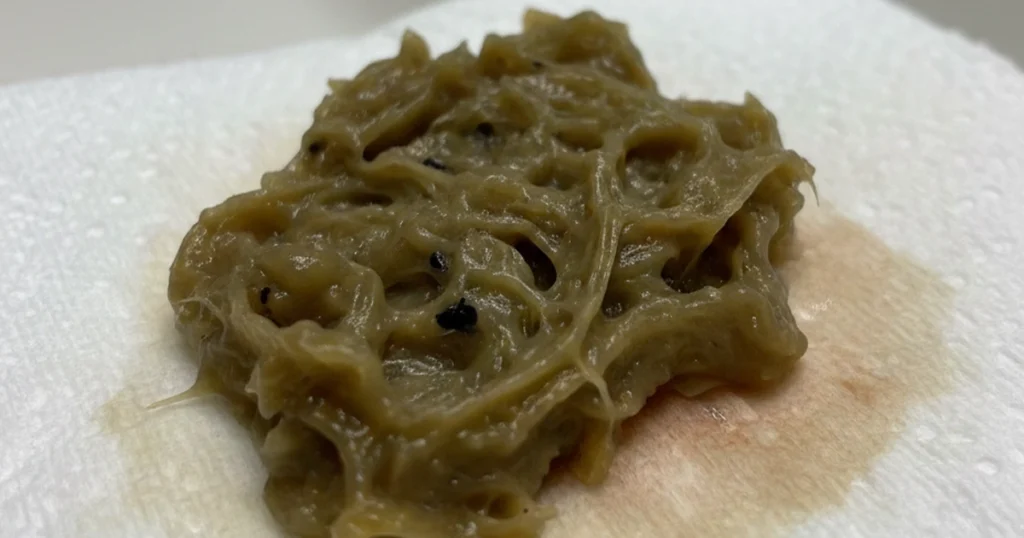
Noticing a change in mucus color can be unsettling, especially when it appears darker than usual. Many people stop and wonder, “Why Is My Mucus Brown?” In most cases, this color change reflects irritation, trapped particles, or older material being cleared from the respiratory system rather than an immediate emergency.
Brown mucus may occur during respiratory infections, long-term airway irritation, or environmental exposure. While it can be harmless, its presence alongside coughing or persistent symptoms may signal inflammation or stress within the airways and should be evaluated at our emergency room.
What Does Brown Mucus Mean
Brown mucus usually indicates old blood, dried secretions, or inhaled particles such as smoke, dust, or pollution mixed with phlegm. Unlike fresh red blood, brown-colored mucus often develops gradually due to ongoing irritation or inflammation rather than sudden injury.
Clinical studies on discolored or darker sputum have shown that these changes are often associated with airway inflammation or bacterial colonization in respiratory conditions. While the studies do not focus exclusively on brown mucus, darker shades, which can include brown, may signal underlying irritation or infection.
Symptoms Of Brown Mucus
- Brown mucus in the throat.
- Brown mucus from nose.
- Coughing up brown mucus.
- Thick, rubbery mucus from throat.
- Brown mucus and cough.
- Phlegm with brown flecks.
- Brown mucus spit.
- Mucus is brownish-yellow.
Reasons Why Your Mucus Is Brown
Brown mucus often develops when the airways are exposed to irritation, infection, or inhaled substances over time. It usually represents older material being expelled rather than newly formed mucus. Identifying the underlying cause helps determine whether self-care is sufficient or medical evaluation is needed.
Old Blood From Airway Irritation
Frequent coughing or aggressive throat clearing can damage small blood vessels in the airways. When a small amount of blood mixes with mucus and oxidizes, it turns brown. This commonly explains brown mucus after coughing and usually reflects irritation rather than active bleeding. Ongoing symptoms require evaluation.
Symptoms
- Brown mucus spit.
- Throat irritation.
- Brown colored mucus.
Smoking Or Vaping
Smoking and vaping expose the lungs to chemicals and heat that inflame the airway linings. Tar and toxins accumulate over time, staining mucus and reducing the lungs’ natural clearing ability. This often results in brown phlegm, particularly in the morning. Continued exposure worsens symptoms.
Symptoms
- Brown mucus from throat.
- Chronic cough.
- Thick phlegm with brown.
- Chest tightness.
Bacterial Respiratory Infection
Bacterial infections cause thick mucus filled with inflammatory cells and debris. As this mucus remains in the airways, it may darken and appear brown or yellow. Coughing up brown mucus may indicate infection progression rather than recovery. Medical treatment may be necessary.
Symptoms
- Brown phlegm.
- Fever.
- Fatigue.
- Brown mucus and cough.
Chronic Bronchitis
Chronic bronchitis leads to persistent airway inflammation and daily mucus production. Pollutants, debris, and traces of old blood can darken secretions over time. Brown mucus discharge is common, especially in smokers or individuals exposed to polluted air. Symptoms often last for months.
Symptoms
- Daily productive cough.
- Brown colored mucus.
- Shortness of breath.
- Wheezing.
Sinus Infection
Sinus infections produce thick nasal secretions that may mix with dried blood. When this drainage moves into the throat, it can appear brown. Brown mucus from the nose or throat often worsens when lying down. Untreated sinus infections may prolong symptoms.
Symptoms
- Facial pressure.
- Brown mucus discharge.
- Nasal congestion.
- Postnasal drip.
Read More: Symptoms of a Sinus Infection
Environmental Dust Or Pollution Exposure
Inhaling dust, dirt, or industrial pollutants can discolor mucus as the lungs trap these particles for protection. This often causes brown mucus in the throat or sputum. It is common in polluted environments or occupational exposure. Symptoms usually improve after exposure stops.
Symptoms
- Mucus and brown discharge.
- Dry throat.
- Mild cough.
- Chest irritation.
Lung Abscess Or Severe Infection
Severe lung infections may cause tissue damage and produce foul-smelling brown phlegm with blood. This condition is serious and requires urgent medical care. The brown color reflects pus, old blood, and tissue breakdown. Delayed treatment increases complication risk.
Symptoms
- High fever.
- Night sweats.
- Chest pain.
Fungal Lung Infection
Certain fungal infections can cause persistent brown mucus, particularly in people with weakened immune systems. These infections progress slowly and may worsen without treatment. Brown mucus from the throat may not resolve on its own. Early diagnosis improves outcomes.
Symptoms
- Brown mucus discharge.
- Chronic cough.
- Weight loss.
- Fatigue.
When Brown Mucus Is An Emergency?
Brown mucus requires urgent medical attention when it suggests active bleeding, severe infection, or lung damage. Delaying care can worsen outcomes. Seek immediate care if you experience:
- Brown phlegm with blood that increases.
- Blood in mucus from throat with chest pain.
- Shortness of breath or rapid breathing.
- High fever with brown mucus after coughing.
- Unexplained weight loss or night sweats.
If these symptoms appear, contact St. Michael’s Elite Hospital immediately for evaluation and care.
Treatment For Brown Mucus
Treatment depends on the underlying cause rather than the mucus color alone. Some cases resolve with simple supportive care, while others require medical treatment. Early management reduces complications and improves recovery. Treatments include:
- Over-The-Counter Expectorants: Thin, thick, rubbery mucus from throat to improve clearance.
- Antibiotics (If Prescribed): Used when bacterial infection is confirmed.
- Smoking Cessation: Reduces airway inflammation and brown phlegm formation.
- Steam Inhalation: Moistens airways and loosens brown mucus in the throat.
- Nasal Saline Rinses: Flush brown mucus from the nose and reduce sinus irritation.
- Prescription Inhalers: Improve airflow in chronic bronchitis or airway disease.
- Diagnostic Procedures: Imaging or sputum tests when blood and mucus from throat persist.
St. Michael’s Elite Hospital – Respiratory Care
If you’re asking yourself, “Why is my mucus brown?”, St. Michael’s Elite Hospital is here to provide expert guidance and clarity. Our experienced medical team evaluates the underlying causes of discolored mucus, identifies infections or airway issues, and creates personalized treatment plans to restore respiratory health safely and effectively. Early assessment can prevent complications and provide peace of mind.
For ongoing or urgent respiratory concerns, St. Michael’s Elite Hospital offers prompt, professional care. With advanced diagnostics, attentive staff, and tailored treatment strategies, patients receive timely support for managing symptoms, improving airway health, and maintaining overall wellness every day.