
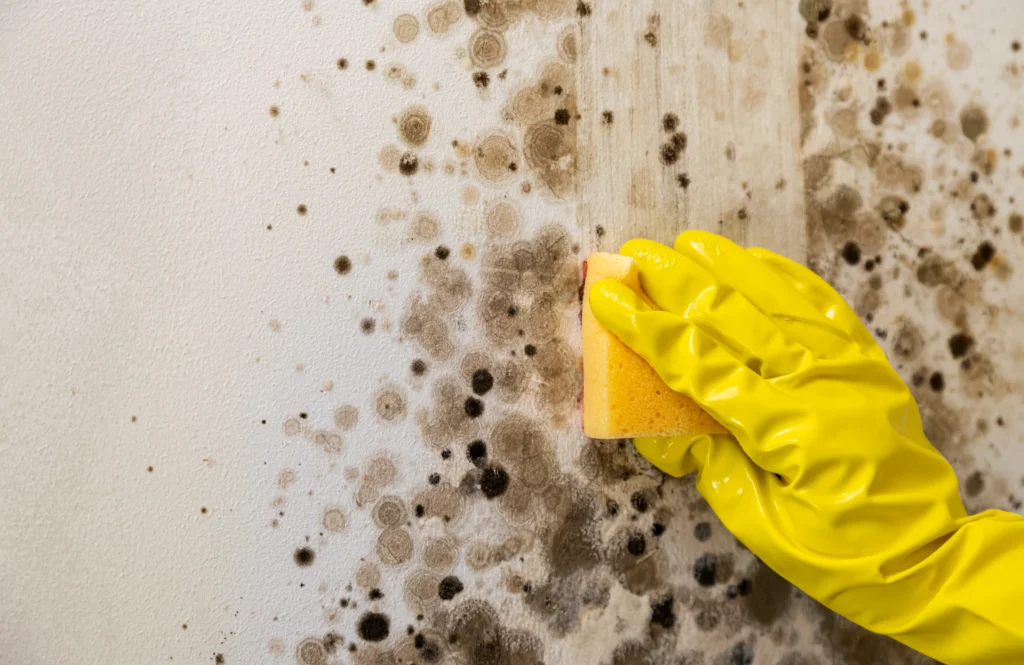
Have you spotted dark, speckled patches on your bathroom ceiling, around a window, or behind the washing machine? In the hot, humid climate of Sugar Land and the greater Houston area, mold is a common problem, especially after heavy rain, a roof leak, or flooding. Many people call these dark patches “black mold,” and they want to know two things: how to get rid of black mold, and whether it is making their family sick.
The good news is that small mold problems can often be cleaned safely at home. The key is protecting yourself while you clean and fixing the moisture that caused it. If mold exposure leads to breathing problems, families looking for trusted hospitals in sugar land tx can turn to St. Michael’s Elite Hospital for evaluation and care.
What Is Black Mold?
“Black mold” usually refers to Stachybotrys chartarum, a greenish-black mold that grows on materials that stay wet for a long time, such as drywall, wood, ceiling tiles, and carpet. However, many other types of mold can also look black. You cannot tell what type of mold you have just by looking at it, and the CDC advises that all mold growth indoors should be removed, no matter the type.
Signs You May Have A Mold Problem
- Visible spots: black, green, gray, or white patches on walls, ceilings, or grout.
- Musty smell: an earthy odor that does not go away.
- Water damage: stains, peeling paint, or warped flooring.
- High humidity: condensation on windows or pipes.
- Allergy symptoms: that improve when you leave home.
See our guide on what causes allergies.
How Can Mold Affect Your Health?
Mold releases tiny spores into the air. When breathed in, they can irritate the nose, throat, and lungs. Not everyone reacts the same way, but common symptoms include:
- Sneezing, runny or stuffy nose.
- Itchy, watery eyes.
- Coughing and sore throat.
- Skin rash or itching.
- Wheezing or chest tightness.
- Headaches and fatigue.
People with asthma, allergies, COPD, or weakened immune systems are at higher risk for serious reactions, including asthma attacks and lung infections. Children and older adults may also be more sensitive.
How To Get Rid Of Black Mold: Step-By-Step
The EPA says you can usually clean mold yourself if it covers less than about 10 square feet, roughly a 3-foot by 3-foot patch. Here is how to do it safely:
- Step 1, Protect yourself: wear an N95 mask, rubber gloves, and goggles without vent holes.
- Step 2, Ventilate the area: open windows and run a fan pointed outside.
- Step 3, Fix the moisture source: repair leaks and dry the area completely, or the mold will come back.
- Step 4, Scrub hard surfaces: use detergent and water, or a solution of 1 cup of bleach per gallon of water, on tile, glass, and sealed counters.
- Step 5, Remove porous materials: moldy drywall, ceiling tiles, and carpet usually need to be cut out and thrown away.
- Step 6, Dry everything: use fans or a dehumidifier to dry the area within 24 to 48 hours.
- Step 7, Watch for regrowth: check the area again over the next few weeks.
Important Safety Tips
- Never mix bleach with ammonia or other cleaners: since this creates toxic fumes.
- Do not paint over mold: it will keep growing underneath.
- Keep children and pets away: Keep them out of the area during cleaning.
- Skip DIY if you have asthma or lung disease: Ask someone else to handle it.
When Should You Call A Professional?
Hire a certified mold remediation company if the mold covers more than 10 square feet, is inside walls or air ducts, returns after cleaning, or appeared after flooding with contaminated water. Professionals use containment and air filtration to keep spores from spreading through your home.
How To Prevent Mold From Coming Back
- Keep indoor humidity between 30 and 50 percent.
- Run bathroom and kitchen exhaust fans.
- Fix leaks quickly.
- Clean and dry wet areas within 48 hours.
- Service your AC system regularly, which is especially important in Texas summers.
- Check pollen and mold counts during allergy season.
When Should You See A Doctor?
If allergy-like symptoms continue even after cleanup, a doctor can help determine whether mold is the cause. Ongoing allergy treatment near me options, such as antihistamines, nasal sprays, and inhalers, can ease symptoms.
Call 911 or go to the ER right away if you have severe shortness of breath, an asthma attack that does not respond to your inhaler, chest pain, high fever with cough, or bluish lips. Searching for an emergency room near me is the right step when breathing becomes difficult.
St. Michael’s Elite Hospital – Breathing And Allergy Care
Mold exposure can turn a simple cough into a serious breathing problem, especially for children and people with asthma or COPD. St. Michael’s Elite Hospital offers board-certified physicians, breathing treatments, imaging, and lab testing around the clock.
When you need the closest emergency room near me in Sugar Land, our team is ready 24/7. For life-threatening emergencies, call 911 right away. With compassionate, professional care, we aim to help your family breathe easier at home and beyond.
Key Takeaways
- “Black mold” usually refers to Stachybotrys chartarum, but you cannot identify a mold by looking at it. The CDC advises removing all indoor mold, whatever the type.
- Mold spores can cause sneezing, coughing, itchy eyes, wheezing, and headaches. People with asthma, allergies, COPD, or weak immune systems are at higher risk.
- You can usually clean mold yourself if it covers less than about 10 square feet. Wear an N95 mask, gloves, and goggles, and ventilate the area.
- Fix the moisture source and dry the area within 24 to 48 hours, or the mold will come back.
- Never mix bleach with ammonia, and never paint over mold.
- Call a certified mold remediation company if the mold covers more than 10 square feet, is inside walls or air ducts, returns after cleaning, or follows flooding.
- Keep indoor humidity between 30 and 50 percent, run exhaust fans, and fix leaks quickly.
- Go to the ER right away for severe shortness of breath, an asthma attack that does not respond to your inhaler, chest pain, a high fever with cough, or bluish lips.
Frequently Asked Questions
Does Vinegar Kill Black Mold?
White vinegar can kill some types of mold on hard, non-porous surfaces. However, it does not fix the moisture problem that caused the mold, and it does not work well on porous materials such as drywall or carpet.
Can Black Mold Make You Sick?
Yes. Mold can cause allergy symptoms and breathing problems, especially in people with asthma, allergies, or weakened immune systems. If your symptoms continue after cleanup, see a doctor.
Should I Get My Home Tested For Mold?
Testing is usually not needed if you can see or smell mold. Focus on removing it and fixing the moisture source.